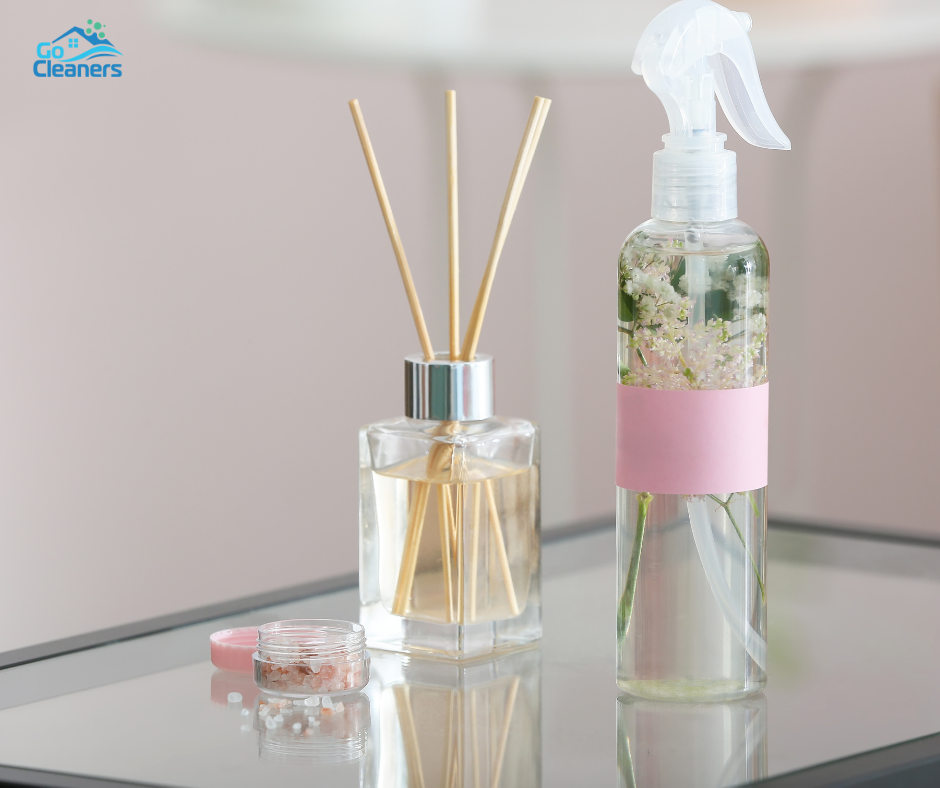
Everyone wants their home to smell fresh and pleasant, but sometimes, unpleasant odors can take over. Whether it’s from pet odors, mildew, smoke, or something else, these smells can be difficult to get rid of. In this article, we’ll explore six of the most common unpleasant smells in the home and offer tips on how to eliminate them.
Pet Odors
Pets are a source of joy for many households, but they can also be the source of some unpleasant odors. The most common source of pet odors is urine, which can penetrate carpets, furniture, and even the subflooring if not cleaned up immediately. To eliminate pet odors, start by thoroughly cleaning any areas where your pet has urinated. Use a pet-specific cleaning product, or make your own by mixing equal parts white vinegar and water. Let the solution sit for five to ten minutes, then blot it up with a clean cloth. Repeat until the odor is gone.
Mildew Odors
Mildew is a type of fungus that grows in damp, humid environments, and its musty odor can be hard to get rid of. To eliminate mildew odors, find and eliminate the source of the moisture. This could mean fixing a leak, installing a bathroom fan, or simply opening a window. Once the source of the moisture is taken care of, clean the affected area thoroughly with a mildew-specific cleaner or a solution of equal parts white vinegar and water.
Smoke Odors
Smoke odors can come from a variety of sources, including cigarettes, fireplaces, and even cooking. To eliminate smoke odors, start by airing out the affected area. Open windows, turn on fans, and run an air purifier to help remove the smoke particles from the air. Then, clean any surfaces that have been affected by the smoke. For surfaces like carpets, curtains, and upholstery, you may need to use a professional smoke odor removal service.
Garbage Odors
Garbage odors can be caused by a variety of things, including spoiled food, dirty diapers, and old trash. To eliminate garbage odors, start by removing the source of the odor and properly disposing of it. Then, clean the affected area thoroughly with a solution of equal parts white vinegar and water. For particularly stubborn garbage odors, try using a natural odor absorber like baking soda or activated charcoal.
Musty Odors
Musty odors can be caused by a variety of things, including dampness, mold, and mildew. To eliminate musty odors, start by finding and eliminating the source of the dampness. This could mean fixing a leak, installing a dehumidifier, or simply opening a window. Then, clean the affected area thoroughly with a solution of equal parts white vinegar and water. If you suspect that mold is the source of the musty odor, call a professional mold remediation service.
Chemical Odors
Chemical odors can come from a variety of sources, including cleaning products, paint, and pesticides. To eliminate chemical odors, start by airing out the affected area. Open windows, turn on fans, and run an air purifier to help remove the chemicals from the air. Then, clean any surfaces that have been affected by the chemicals. If you’re using a cleaning product that is causing a chemical odor, try switching to a natural, non-toxic alternative.
In conclusion, unpleasant odors in the home can be caused by a variety of things, but with the right approach, they can be eliminated. Whether it’s pet odors, mildew, smoke, garbage, musty, or chemical odors, the key is to find the source of the problem and clean it thoroughly. In addition to cleaning, using natural odor absorbers, such as baking soda or activated charcoal, can help to get rid of stubborn odors. And if the source of the odor is particularly difficult to identify or eliminate, consider seeking the help of a professional. With these tips, you can have a fresh, pleasant-smelling home in no time.
A clean and organized kitchen is not only a pleasant place to cook and eat, but it can also prevent the spread of bacteria and other harmful substances. Cleaning your kitchen can seem like a daunting task, but with a little know-how and a few helpful tips, it can be done effectively and efficiently. In this article, we will walk you through the steps of how to clean your kitchen effectively.
Step 1: Gather Your Cleaning Supplies
Before you start cleaning, make sure you have all the necessary supplies. You will need cleaning products such as a multi-surface cleaner, dish soap, a degreaser, and a glass cleaner. You will also need supplies such as sponges, paper towels, a scrub brush, and a bucket.
Step 2: Declutter and Organize
The first step to cleaning your kitchen effectively is to declutter and organize. Remove everything from your counters, cupboards, and drawers and sort through your items. Discard any expired or unneeded items, and put away items that belong in other rooms. Make sure to empty your sink and put away any dirty dishes.
Step 3: Dust and Wipe Down Surfaces
Begin by dusting any surface areas such as countertops, cabinets, and shelving. Use a damp cloth to wipe down the surfaces and remove any cobwebs or dust bunnies. Pay special attention to areas that are prone to collecting grease, such as the range hood and stovetop.
Step 4: Clean the Sink and Fixtures
The sink and fixtures are some of the most used and abused areas of the kitchen. Clean the sink by wiping it down with a damp cloth and a multi-surface cleaner. Scrub the fixtures with a scrub brush and a degreaser. Rinse with water and dry with a clean cloth.
Step 5: Clean the Stovetop and Oven
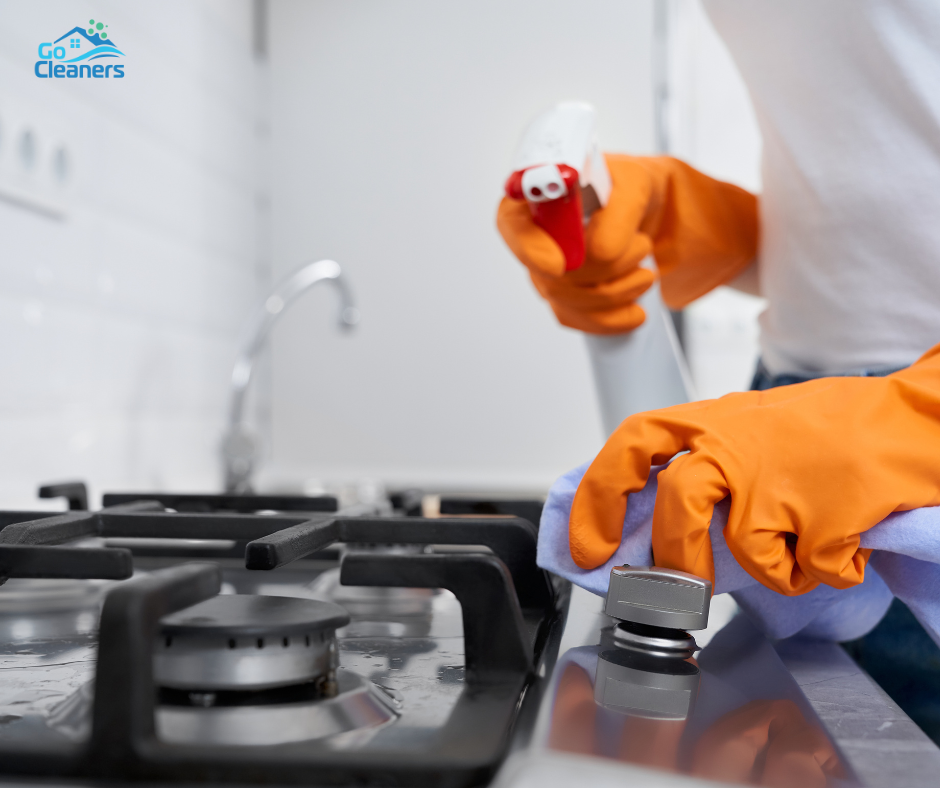
Next, tackle the stovetop and oven. If you have a gas stove, make sure to turn off the burners before cleaning. For the stovetop, use a degreaser to remove any grease and grime. If you have a smooth-top stove, be sure to use a special cleaner made for glass-ceramic surfaces. For the oven, remove any loose debris and use a degreaser and a scrub brush to remove any built-up grease. If your oven is self-cleaning, you can use that feature as well.
Step 6: Clean the Refrigerator and Freezer
The refrigerator and freezer should be cleaned on a regular basis, as food spills and condensation can lead to the growth of bacteria. Start by removing all items from the refrigerator and freezer, discarding any expired or unneeded items. Wipe down the interior with a multi-surface cleaner and a damp cloth. Pay special attention to door gaskets and drawers, as these areas are prone to collecting food particles. Clean the exterior of the refrigerator and freezer with a glass cleaner and a clean cloth.
Step 7: Clean the Dishwasher and Microwave
Finally, clean the dishwasher and microwave. Start by running an empty cycle of the dishwasher using a special cleaner designed for dishwashers. For the microwave, remove any loose food debris and use a degreaser to remove any built-up grease. Wipe down the interior with a multi-surface cleaner and a damp cloth.
Step 8: Mop the Floor
The final step in cleaning your kitchen is to mop the floor. Use a damp mop or a bucket of warm water and a cleaner specifically designed for your flooring type (such as tile, hardwood, or linoleum). If necessary, scrub any stubborn stains with a scrub brush. Make sure to clean under and around appliances, as well as the corners and baseboards. Once the floor is clean, rinse with water and allow it to dry completely.
Additional Tips for Keeping Your Kitchen Clean
Wipe down surfaces daily: To prevent built-up grease and grime, make sure to wipe down surfaces such as the stovetop, countertops, and sink on a daily basis.
Keep dishes clean and put away: Wash dishes as soon as possible after use and put them away in their proper place. This will keep your sink and counters clear and prevent the growth of bacteria.
Store food properly: Make sure to store food in airtight containers and to properly label and date all items in the refrigerator and freezer. This will prevent spoilage and help keep your kitchen organized.
Regularly clean appliances: Cleaning appliances such as the dishwasher, refrigerator, and oven on a regular basis will prevent the growth of bacteria and keep them running efficiently.
Use a cleaning schedule: Create a cleaning schedule to help keep your kitchen clean and organized. Assign specific tasks to specific days and make sure to stick to the schedule.
In conclusion, cleaning your kitchen effectively is a process that requires a little know-how and the right tools and supplies. By following the steps outlined in this article and using a little elbow grease, you can keep your kitchen clean, organized, and bacteria-free. Happy cleaning!